Exploring Features and Usage of Hearing Assistance Devices
The Evolution of Hearing Assistance Devices
Hearing assistance devices have come a long way from their rudimentary beginnings. Early devices were bulky and often ineffective, but technological advancements have transformed them into sleek, efficient tools that significantly improve the quality of life for those with hearing impairments. Modern hearing aids incorporate digital technology, offering features like noise reduction, directional microphones, and connectivity with other devices. These innovations have made them indispensable for many users, providing clarity and ease of communication in various environments.
Today’s devices are not only about amplification; they are about enhancing the user’s auditory experience. Features such as feedback cancellation, which eliminates the annoying whistling sounds, and automatic adaptation to different sound environments, make these devices highly user-friendly. Moreover, the miniaturization of components has allowed for more discreet and comfortable designs, catering to users’ aesthetic preferences.
As technology continues to evolve, hearing assistance devices are expected to become even more advanced, offering users greater customization and control over their hearing environments. This evolution reflects a broader trend towards personalized healthcare solutions, where the focus is on the individual needs of each user.
Key Features and Benefits
Modern hearing assistance devices boast a range of features that enhance their functionality and user experience. One of the standout features is the ability to connect with smartphones and other smart devices via Bluetooth. This connectivity allows users to stream phone calls, music, and other audio directly to their hearing aids, providing a seamless auditory experience.
Another important feature is the directional microphone technology, which helps users focus on specific sounds, such as conversation in a noisy room, by filtering out background noise. This is particularly beneficial in social settings, where understanding speech can be challenging. Additionally, many devices offer rechargeable batteries, which are not only environmentally friendly but also convenient for users who no longer need to frequently change disposable batteries.
The integration of artificial intelligence in some models provides adaptive learning capabilities, where the device can learn the user’s preferences and automatically adjust settings for optimal performance. This feature enhances the user’s experience by providing a tailored hearing solution that adapts to different environments and situations.
Usage and Maintenance Tips
Proper usage and maintenance are crucial for the longevity and effectiveness of hearing assistance devices. Users should ensure that their devices are properly fitted by a professional audiologist, as an incorrect fit can lead to discomfort and suboptimal performance. Regular cleaning is also important to prevent the buildup of earwax and debris, which can affect sound quality.
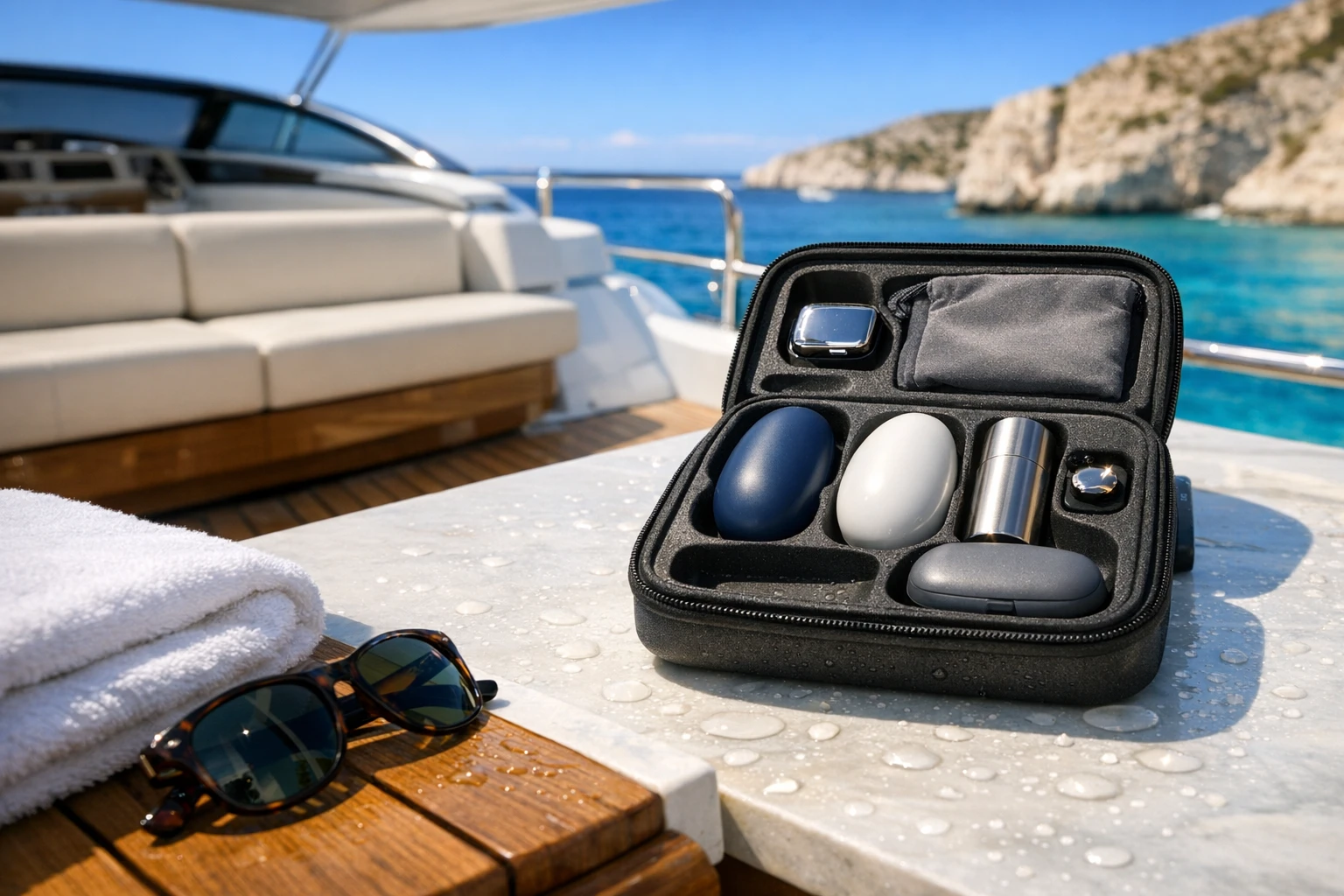
It is advisable to store hearing aids in a dry, cool place when not in use to protect them from moisture and heat damage. Many users find it helpful to establish a routine for charging or replacing batteries to ensure their devices are always ready for use. Additionally, scheduling regular check-ups with an audiologist can help identify any issues early and ensure the device continues to meet the user’s needs.
By following these tips, users can maximize the lifespan and functionality of their hearing assistance devices, ensuring they remain a reliable tool for improved hearing.
Common Misconceptions
Despite the advancements in hearing assistance technology, several misconceptions persist. One common belief is that hearing aids are only for the elderly. In reality, hearing loss can affect individuals of all ages, and modern devices are designed to accommodate a wide range of hearing needs and preferences.
Another misconception is that hearing aids will restore hearing to normal levels. While they significantly improve hearing ability, they do not cure hearing loss. Instead, they amplify sounds and improve clarity, helping users to better engage with their surroundings.
Some people also believe that all hearing aids are the same. However, there is a wide variety of devices available, each with different features and capabilities. It is important for users to consult with a professional to find a device that best suits their specific hearing requirements.
Looking Ahead: The Future of Hearing Assistance Devices
The future of hearing assistance devices is promising, with ongoing research and development focused on creating even more sophisticated solutions. One area of innovation is the integration of health monitoring features, such as heart rate and activity tracking, turning hearing aids into multifunctional health devices.
Another exciting development is the exploration of brain-controlled hearing aids, which could allow users to adjust settings using thought commands. This technology is still in its early stages but holds potential for creating a more seamless and intuitive user experience.
As these technologies continue to advance, hearing assistance devices will likely become even more personalized, offering users enhanced control and customization. This progress not only improves the quality of life for those with hearing impairments but also reflects a broader trend towards integrating health and technology in innovative ways.